
Hauling Jobsite Waste So Work Keeps Moving
Construction Debris Removal in Spokane for remodeling scrap, packaging waste, and material cutoffs overwhelming jobsite capacity
Construction and remodeling projects generate continuous waste streams that can't wait for weekly dumpster swaps—cutoff lumber, drywall scraps, cardboard packaging from deliveries, and demolition rubble pile up faster than small roll-offs accommodate. Spokane's Junk Removal provides construction debris removal in Spokane when jobsites need immediate clearing to maintain workflow, when dumpster permits aren't practical for residential neighborhoods, or when projects lack space for stationary containers blocking driveways or street access. The service targets active jobsites where debris volume interrupts the next phase of work if not removed promptly.
Crews arrive on your schedule, load mixed construction waste including wood scraps, metal offcuts, drywall chunks, and packaging materials, and haul everything in one trip rather than waiting for container pickup. This approach works for projects without long-term dumpster needs or when final cleanouts require clearing scattered debris before client walkthroughs. Material gets sorted at disposal facilities rather than requiring on-site separation by trade workers.
Schedule debris pickup to align with project milestones where clearing allows the next trade to begin work immediately.
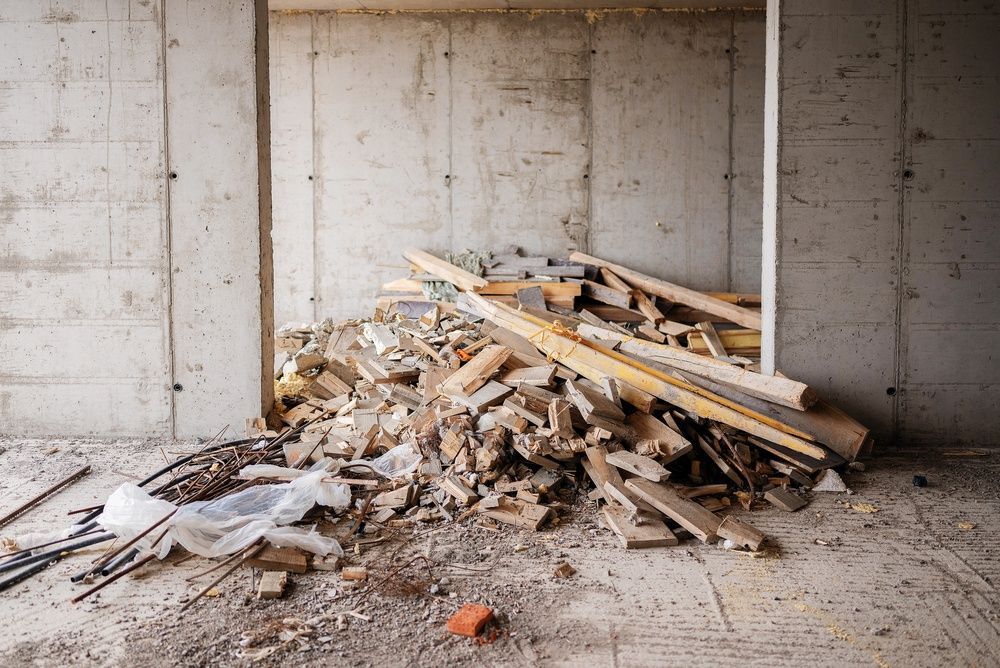
Why Jobsite Cleanup Needs Consistent Attention
Construction debris removal prevents workflow interruptions caused by cluttered work areas where tradespeople navigate around scrap piles instead of accessing walls, floors, and ceilings efficiently. Spokane's Junk Removal handles mid-project clearing when framing waste must be removed before drywall delivery, or when demolition rubble blocks pathways needed for material staging. The service also addresses final cleanouts after substantial completion when punch-list work demands clean floors and dust-free surfaces for finish inspections.
Once debris is hauled away, your jobsite returns to a functional state where tools and materials are accessible without shifting piles of scrap, and foot traffic moves safely without tripping over cutoffs or packaging waste. Contractors notice improved efficiency when debris doesn't accumulate to the point of requiring dedicated cleanup days that halt productive work. The space looks organized rather than chaotic, which matters during client site visits or inspector walkthroughs where cleanliness affects perception of workmanship quality.
The service includes loading of general construction waste like wood, drywall, metal, roofing materials, and packaging, but excludes hazardous substances such as chemical containers, paint waste, or asbestos-containing materials requiring specialized disposal. Concrete and masonry debris may involve additional hauling fees due to weight and disposal facility surcharges for heavy materials.
What Contractors Typically Ask
Construction debris removal operates within jobsite constraints, requiring coordination with project schedules and understanding of what materials are hauled versus requiring separate handling.
What types of construction waste are included in standard removal?
Wood framing cutoffs, drywall scraps, metal stud offcuts, roofing tear-off, packaging cardboard, insulation waste, and general demolition debris are all loaded together without requiring on-site sorting by material type.
How does on-demand hauling compare to renting a dumpster for remodeling projects?
Hauling removes debris immediately when called, avoiding permit requirements and space consumption, while dumpsters work better for multi-week projects generating continuous waste that's tossed throughout each day.
What scheduling flexibility exists for jobsite pickups in Spokane?
Removal is arranged around your construction timeline, often with same-day or next-day service when debris volume reaches the point of blocking work progress or violating site safety standards.
When should debris be removed during phased remodeling?
Schedule hauling after each major phase completes—post-demolition before framing, post-drywall before painting, and post-installation before final cleaning—so each trade starts with cleared work areas.
Why does debris removal cost vary between residential and commercial jobsites?
Commercial sites often involve larger volumes, restricted access requiring hand-loading over longer distances, and disposal fees tied to material types common in tenant improvements versus single-family remodels.
When your project generates more waste than fits in a pickup truck but doesn't justify a multi-week dumpster rental, Spokane's Junk Removal clears debris so trades can keep working. Arrange a pickup to match your project's current phase and debris volume.