
Dismantling Interiors Without Structural Compromise
Light Demolition in Spokane for removing non-load-bearing walls, cabinetry, and built-in fixtures during remodeling projects
Light demolition removes interior components that aren't part of your building's structural framework—partition walls between rooms, kitchen cabinets anchored to studs, bathroom vanities bolted to floors, and built-in shelving that no longer serves your layout. You need this service when remodeling plans require clearing spaces down to bare walls and subfloors, when commercial tenant improvements demand removal of previous occupant's fixtures, or when dated interiors must be stripped before new installations begin. Spokane's Junk Removal handles light demolition work that stops short of touching beams, columns, or exterior walls while clearing everything within those boundaries.
The process identifies and avoids electrical wiring and plumbing lines embedded in walls before prying away drywall, disconnects fixtures from supply lines, and breaks down cabinetry into manageable sections for hauling. Debris is loaded immediately rather than piled for later pickup, keeping job sites clear for subsequent trades. This differs from heavy demolition, which involves structural modification and requires engineering oversight.
Arrange a consultation to review project scope and confirm which elements require removal versus preservation.
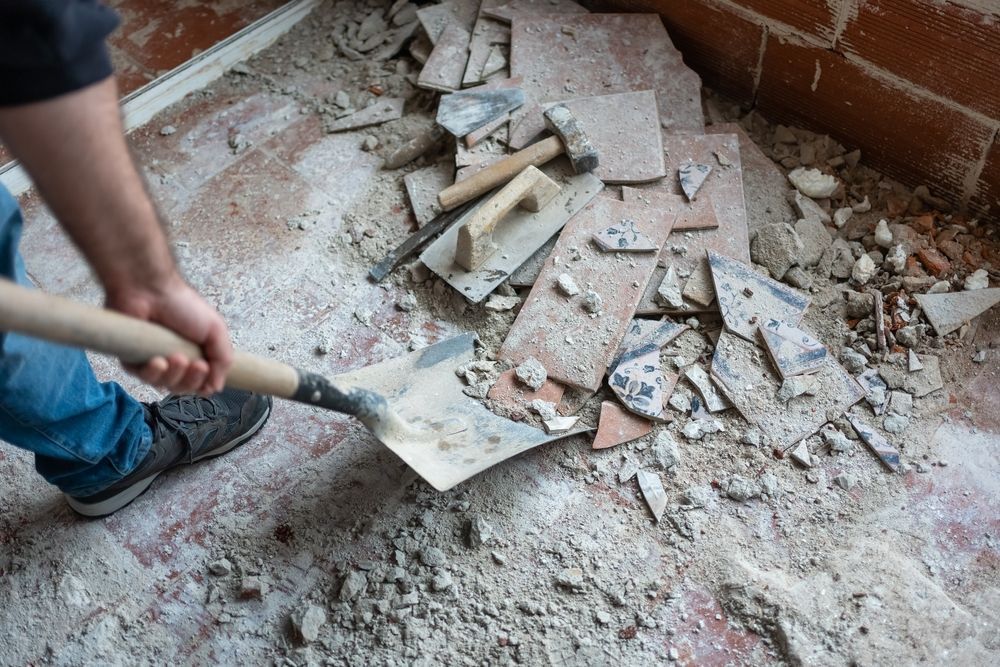
What You Notice Once Demolition Work Is Finished
Proper light demolition exposes the skeleton of your space without creating secondary damage to framing members or utility runs you're keeping. Drywall gets removed back to studs without splintering adjacent sections, flooring is pulled up without gouging the subfloor beneath, and cabinetry comes off walls without tearing out anchor points needed for new installations. Dust containment during the work reduces cleanup time afterward, though some fine particulate spread is inevitable when breaking apart drywall and tile.
After completion, your rooms are reduced to their structural essentials—exposed framing, visible utility lines, and clear floor decks ready for inspections or new construction phases. The space looks dramatically different from its pre-demo state, with sightlines opened where walls previously divided areas and all surface finishes removed down to raw materials. Debris is hauled away during the project rather than accumulating on-site, so your contractor can begin framing or rough-in work immediately.
This service includes manual demolition labor, debris loading, and haul-away, but does not cover disposal of hazardous materials like asbestos-containing drywall texture, lead-based paint chips, or mold-contaminated materials requiring certified abatement. Utility disconnection is the property owner's responsibility before demolition begins to avoid damaging active lines during tear-out.
Common Questions About This Service
Light demolition involves controlled dismantling with attention to what stays versus what goes, requiring upfront clarity about project boundaries and material handling.
What qualifies as light demolition versus heavy demolition?
Light demo removes interior finishes and non-structural components like partition walls, cabinets, and flooring, while heavy demo involves altering load-bearing walls, removing roof structures, or excavating foundation elements requiring engineering plans.
How is debris handled during the demolition process?
Material is loaded into trucks as sections are removed rather than staged in piles, keeping pathways clear and reducing the risk of tripping hazards or secondary damage from debris shifting during ongoing work.
What preparation is required before demolition begins in Spokane properties?
Utilities like water, gas, and electricity feeding the demolition area must be shut off at their sources, and HVAC ducts serving that zone should be sealed to prevent dust migration into active spaces.
When should light demolition be scheduled during a remodel timeline?
Book demo after permits are approved but before framing or mechanical rough-in starts, so trades aren't working around old fixtures or waiting for debris removal before progressing to their phases.
Why does demolition generate more debris than expected?
Older homes often contain multiple layers of flooring, double-thick drywall, or plaster-and-lath walls hidden beneath surface finishes, increasing volume once everything is torn out and exposed.
Spokane's Junk Removal completes interior tear-outs that clear the way for your remodel without requiring you to manage debris logistics. Schedule a project review to establish scope and confirm which building components are targeted for removal.